How to Tell If Gold Is Real at Home
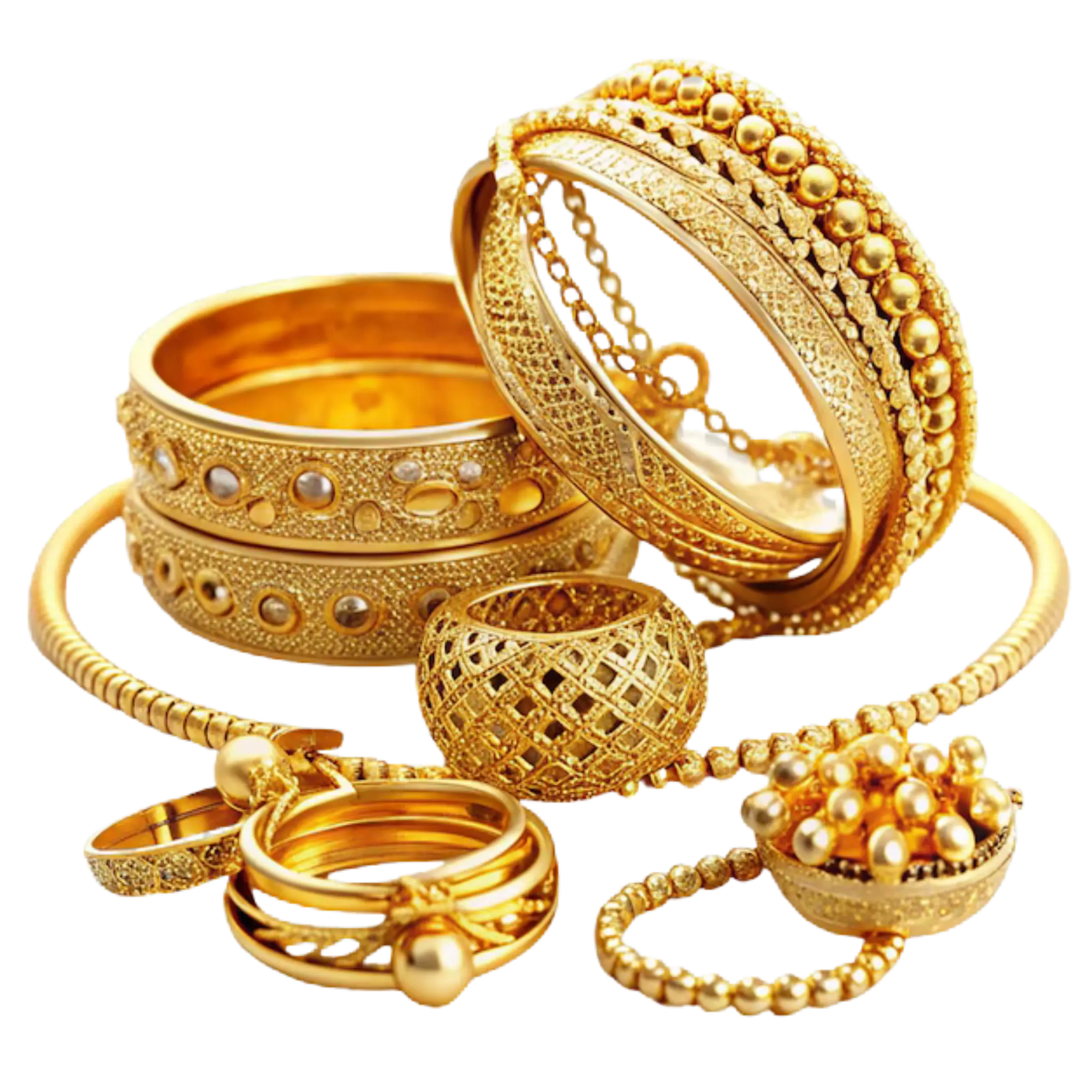
How to Tell If Gold Is Real at Home
To tell if gold is real at home, run a few quick checks: look for a hallmark or 916/22K stamp, test with a strong magnet (real gold is not magnetic), do a water/density check (real gold sinks fast), inspect for discolouration where plating wears, and try the ceramic and vinegar tests. These home methods tell you if gold is likely real or fake, but only a non-destructive XRF test measures the actual gold content of the metal. This guide explains each test and its limits.
Learning how to tell if gold is real at home is useful before you buy, sell, or simply trust an old piece in your locker. Counterfeit and gold-plated jewellery do circulate, and a few minutes of checking can save you from a costly mistake. While no home method is as precise as laboratory testing, several reliable techniques let you tell if gold is real at home with reasonable confidence — and spot an obvious fake quickly.
This guide from Auriksha — Durgapur's most transparent gold buyer — walks through eight practical ways to tell if gold is real at home, what each test can and cannot prove, and why a non-destructive XRF test is the only way to confirm measured purity before you sell.
Telling if gold is real is about authenticity (is it gold at all, or fake/plated?). Confirming purity is about how many karats (22K, 18K). Home tests can flag a fake, but they cannot measure exact karatage — that needs XRF.
How to Tell If Gold Is Real at Home — Overview of the 8 Tests
There is no single magic test to tell if gold is real at home, which is why this guide gives you eight. Each one checks a different property of gold — its lack of magnetism, its high density, its resistance to acids, and its colour consistency. Used together, they give you a confident verdict. The smart approach is to run two or three quick checks (hallmark, magnet, water) first; if anything looks suspicious, follow up with the vinegar or ceramic test before deciding the piece is fake. Below, each test is explained with how to do it and what the result means.
1. Check for a Hallmark or Purity Stamp
The first way to tell if gold is real at home is to look for an official stamp. Genuine Indian gold jewellery is usually marked with a BIS hallmark, a purity number such as "916" (22K), "750" (18K), or "999" (24K), and often a HUID code. Use a magnifying glass to inspect clasps, inner bands, and the backs of pendants. A clear hallmark is a strong sign the gold is real — though sophisticated fakes can copy stamps, so combine this with other tests.
BIS — Hallmarking and HUID Verification ↗
2. The Magnet Test
A quick, non-destructive way to tell if gold is real at home is the magnet test. Pure gold is NOT magnetic. Hold a strong magnet (a neodymium magnet works best) close to the item. If the piece is pulled toward the magnet, it contains magnetic metals like iron or nickel and is not solid gold. If there is no attraction, that is a good sign — but note that some non-magnetic metals (like brass) also pass this test, so it rules out one type of fake rather than proving authenticity outright.
3. The Water / Density Test
Gold is extremely dense (about 19.3 g/cm³), so a genuine piece sinks quickly and decisively. To tell if gold is real at home using density, drop the item into a glass of water: real gold sinks straight to the bottom and shows no rust, tarnish, or floating. Lightweight metals or hollow fakes may sink slowly, float, or hover. For a more precise version, weigh the item, then measure how much water it displaces — the density should come out close to that of gold.
4. Inspect for Discolouration and Worn Plating
Gold-plated items are the most common fakes. To tell if gold is real at home, examine high-friction areas — edges, clasps, the inside of rings, and spots that rub against skin. If you see a different metal colour (silver, grey, or copper) showing through where the surface has worn, the piece is plated, not solid gold. Genuine gold keeps the same colour throughout because it is the same metal all the way through.
5. The Skin Discolouration Test
Real gold does not react with skin. If wearing the jewellery leaves a green, black, or grey mark on your skin, it likely contains a high proportion of base metals — a sign it is not real gold (or is very low purity). This is a helpful everyday clue to tell if gold is real at home, especially for items worn regularly like rings and chains.
6. The Ceramic Scratch Test
Drag the item gently across an unglazed ceramic tile or plate. Real gold leaves a gold-coloured streak; fake or plated metal often leaves a black or grey streak. Use this method carefully — it can lightly mark the piece — and only on items you are willing to risk a tiny scratch on. It is a reasonable way to tell if gold is real at home when other tests are inconclusive.
7. The Vinegar Test
Place a few drops of plain white vinegar on a discreet spot. Real gold is highly resistant to acids and will not change colour. If the metal changes colour, dulls, or reacts, it is not pure gold. This is a milder, safer alternative to professional acid testing and a handy way to tell if gold is real at home without specialist chemicals.
8. The Float and Sound Checks
Two final quick checks: genuine gold never floats — if it does, it is fake. And dropping a genuine gold coin onto a hard surface produces a clear, ringing tone, whereas many fakes give a dull thud. These are supporting clues; use them alongside the stronger tests above to tell if gold is real at home.
The Limits of Home Tests — Why XRF Is the Final Word
Here is the honest truth: home tests can help you tell if gold is real at home and flag obvious fakes, but they cannot measure purity, and clever fakes (gold-plated tungsten, for instance, has gold-like density) can fool several of them. Before you sell, the only reliable confirmation is a non-destructive XRF (X-Ray Fluorescence) test, which measures the elemental composition of the tested area in 60 seconds without damaging the piece.
| Method | Tells If Real? | Measures Exact Purity? |
|---|---|---|
| Hallmark / 916 stamp | Strong clue | Indicates karat, can be faked |
| Magnet test | Rules out magnetic fakes | No |
| Water / density test | Good clue | No |
| Vinegar / ceramic test | Good clue | No |
| XRF spectrometer (at Auriksha) | Yes — definitive | Yes — exact % |
Auriksha offers a free, non-destructive XRF purity test in front of you — no acid, no scratching, no melting. It is the surest way to tell if gold is real and exactly how pure it is, whether or not you decide to sell.
Spotting Common Fake Gold Tricks
Counterfeiters use a handful of recurring tricks, and recognising them helps you tell if gold is real at home faster. Gold-plating over brass or silver is by far the most common — it passes a glance but fails the worn-edge and skin tests. "Gold-filled" items have a thicker gold layer but are still not solid gold. The trickiest fakes use tungsten cores (which match gold's density) wrapped in real gold, defeating the water test — though these are rare in everyday jewellery and usually appear in large bars.
- Gold-plated brass — fails the worn-edge, skin, and ceramic tests
- Gold-filled jewellery — thicker plating, still not solid; check the stamp (e.g. "GF")
- Tungsten-core fakes — pass the density test; mostly a concern with large bars, not jewellery
- Fake or copied hallmarks — why you should verify the HUID and not rely on a stamp alone
- Hollow pieces sold by weight — feel unusually light for their size
When the stakes are high — a large purchase, a valuable inheritance, or before you sell — do not rely on home methods alone to tell if gold is real. A free XRF test removes all doubt by reading the exact metal composition, instantly distinguishing solid gold from any plated or cored fake.
Read: How to Check Gold Purity at Home in Durgapur →
Read: Counterfeit KDM and Hallmark Stamps — What to Look For →
Read: KDM vs Hallmark vs 916 Gold — What's the Difference →
Service: Trusted Gold Buyer in Durgapur — Free XRF Testing →