916 Hallmark & HUID Explained: What Does 916 Mean on Gold?
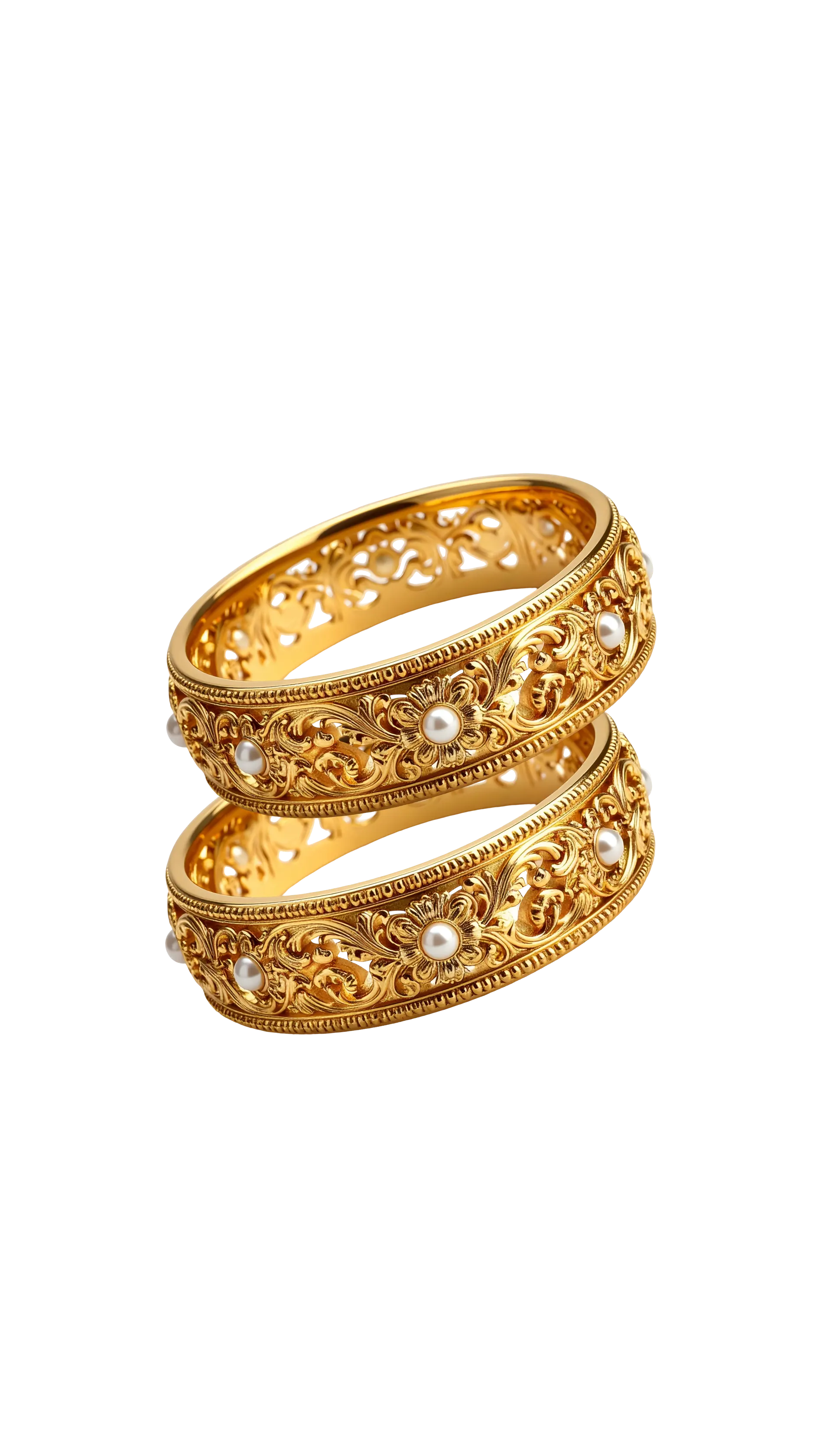
916 Hallmark & HUID Explained: What Does 916 Mean on Gold?
916 means a gold fineness of 916 parts per 1,000 — approximately 91.6% gold, which is 22-carat gold. A marking such as 22K916 describes purity, while HUID (Hallmark Unique Identification) is a separate six-digit alphanumeric code identifying an individual hallmarked article. 916 tells you the purity; HUID identifies the piece. Neither tells you how much gold you own — that depends on verified purity, net gold weight and the applicable buying rate.
If you own a gold chain, ring, bangle, necklace or other jewellery, you may have noticed markings such as 916, 22K, BIS or HUID on it. But what do these numbers and letters actually mean?
If you are planning to buy gold jewellery or sell old gold, understanding these markings is important. A marking such as 22K916 tells you about the gold’s purity, while the HUID helps identify a hallmarked jewellery article.
At Auriksha Gold Buyer, we believe customers should understand their gold before deciding what to do with it. Whether you are checking an old family jewellery piece or planning to sell unused gold, knowing the difference between 916, 22K, BIS hallmark and HUID can help you make a more informed decision.
What Does 916 Mean in Gold?
916 means a gold fineness of 916 parts per 1,000. In simple terms, 916 gold contains approximately 91.6% gold. This corresponds to 22-carat gold, which is why you may see the marking 22K916 stamped on jewellery.
- 22K means 22-carat gold
- 916 means 916 fineness
- 916 fineness means approximately 91.6% gold
The remaining portion consists of other metals used in the alloy. These metals help make gold jewellery stronger and more suitable for everyday use.
Is 916 Gold the Same as 22K Gold?
Yes. 916 gold = 22K gold. The terms describe the same purity grade in different ways — one as a carat figure, the other as a fineness figure out of 1,000.
| Gold Marking | Carat | Approx. Gold Content |
|---|---|---|
| 585 | 14K | 58.5% |
| 750 | 18K | 75.0% |
| 833 | 20K | 83.3% |
| 916 | 22K | 91.6% |
| 958 | 23K | 95.8% |
| 995 | 24K | 99.5% |
So if your jewellery is marked 22K916, it indicates a 22-carat gold purity grade.
What Is a BIS Hallmark?
A BIS hallmark is a mark associated with India’s official hallmarking system for precious-metal articles. BIS stands for the Bureau of Indian Standards. Hallmarking is intended to provide consumers with assurance about the declared purity or fineness of precious-metal jewellery.
For modern hallmarked gold jewellery, you should generally look for three important components:
- BIS logo
- Purity / fineness mark (such as 22K916)
- Six-digit alphanumeric HUID
Don’t simply look for the number 916 and assume that you have checked the entire hallmark. The complete hallmark matters — BIS logo, purity mark and HUID together.
BIS — Official Hallmarking Standards and HUID ↗
What Is HUID in Gold?
HUID means Hallmark Unique Identification. It is a six-digit alphanumeric code associated with an individual hallmarked jewellery article. For example, a HUID could look like A7B3C9 — the actual code on your jewellery will be different.
The important thing to remember is that HUID is not the same as gold purity. On a modern hallmarked piece you may see BIS logo + 22K916 + HUID, where each part does a different job:
- BIS logo → the hallmarking mark
- 22K916 → the gold purity / fineness
- HUID → unique identification of the individual jewellery article
How to Check HUID on Gold Jewellery
If your jewellery has a HUID, you can use the Verify HUID facility provided through the BIS CARE app to check the identification details associated with the hallmarked article.
When checking your jewellery, look closely for the small markings. Gold jewellery hallmarks can be difficult to see because they are often stamped in a very small area. If necessary, use a magnifying glass or ask the jeweller to show you the hallmark clearly.
Why Is HUID Important?
HUID adds an identification and traceability element to the hallmarking system. This is useful for consumers because a hallmarked article can be associated with its unique identification code rather than relying only on a general purity marking.
However, there is an important distinction: HUID does not tell you how many grams of gold you own. It also does not replace the need to understand the item’s purity and weight when determining its value.
Does 916 Mean the Jewellery Is 100% Gold?
No. This is one of the most common misunderstandings about 916 gold. 916 gold is approximately 91.6% gold, not 100% gold.
24K gold represents a higher-purity gold grade, while 22K gold is commonly used for jewellery because alloying gold with other metals makes the jewellery more durable. So: 916 ≠ 100% gold. Instead, 916 ≈ 91.6% gold.
How Much Is 916 Gold Worth?
The value of 916 gold depends on more than just the number stamped on the jewellery. When evaluating old gold, important factors include:
- Gold purity
- Net gold weight
- Applicable gold buying rate
- Type and composition of the jewellery
- Applicable transaction terms
For example, two pieces of 916 jewellery can have very different values if their net gold weights are different. A 5-gram 916 gold item and a 20-gram 916 gold item obviously do not contain the same amount of gold. That is why purity and weight both matter.
Check: Live Gold Rate Today Across West Bengal →
How Is Old 916 Gold Jewellery Valued at Auriksha?
If you bring old gold jewellery to Auriksha Gold Buyer, the jewellery needs to be properly evaluated before its value can be determined. The basic principle is straightforward:
Verified purity × Net gold weight × Applicable buying rate = Indicative gold value. The final amount can depend on the specific jewellery and applicable transaction terms.
This is why simply searching for the 916 gold rate today does not necessarily tell you exactly how much you will receive for a particular piece of old jewellery.
Does a 916 Hallmark Mean You Will Get the 916 Market Rate When Selling?
Not necessarily. This is an important distinction between gold rate and gold buying value.
The rate you see online may be a quoted market rate for a particular purity. When selling old jewellery, the actual transaction involves evaluating the jewellery’s purity and net gold weight and applying the relevant buying rate. At Auriksha the only deduction applied is a fixed 2% margin and 1% dust and wax deduction on the live rate — there are no melting-loss or wastage charges added on top.
At Auriksha, customers should understand the valuation rather than simply looking at a headline gold price. The purity test, the net weight, the rate applied and the fixed 2% margin and 1% dust and wax deduction are all shown to you before you decide anything.
Can I Sell Old 916 Gold Jewellery?
Yes. If you have unwanted or unused 22K916 gold jewellery, you can have it evaluated by a gold buyer. Common items people may bring for evaluation include:
- Old gold chains
- Gold rings
- Gold bangles
- Gold necklaces
- Gold earrings
- Broken gold jewellery
- Unused ornaments
- Gold jewellery inherited from family
Having a hallmark does not prevent you from selling the jewellery. In fact, understanding the hallmark can help you have a clearer conversation about the purity of your gold.
What If My Old Gold Does Not Have a HUID?
Don’t immediately assume that your jewellery is fake. The Indian hallmarking system has changed over time. Older hallmarked jewellery may have been marked under an earlier hallmarking system and therefore may not carry the modern HUID format.
If you have an older piece of jewellery, its age and the hallmarking system applicable at the time are relevant. If you are uncertain about the purity of an old jewellery item, professional testing can provide more useful information than simply looking for a HUID.
Read: How to Check Gold Purity at Home →
Does HUID Increase the Value of Gold?
No, HUID itself does not add extra gold value. HUID is an identification code associated with the hallmarked article.
When old gold is sold, its value is primarily connected to purity + net gold weight + applicable buying rate. Therefore, having a HUID does not mean that the jewellery automatically has a higher resale value.
916 Gold vs 24K Gold
People often compare 916 gold with 24K gold. The main difference is purity.
22K916 gold contains approximately 91.6% gold and is commonly used for jewellery. 24K gold represents a higher-purity gold grade and is commonly associated with investment gold and certain other products. For jewellery, 22K gold is popular because it offers a balance between high gold content and practical durability.
How to Check Whether Your Gold Jewellery Is 916
If you are checking a gold jewellery item, look for the relevant purity marking. For modern hallmarked jewellery, you may see BIS logo + 22K916 + HUID. The 916 indicates the fineness grade.
However, a visual inspection of a stamp should not be treated as a complete purity test. If you are uncertain about the actual purity of an old gold item, professional testing is a better way to establish its composition.
Read: KDM vs Hallmark vs 916 Gold — What’s the Difference? →
Read: Fake 916 and KDM Stamps — Spotting Counterfeit Jewellery →
Should You Check Gold Purity Before Selling Old Gold?
Yes. If you are planning to sell old gold, understanding the purity of the jewellery is important because purity directly affects the amount of gold contained in the item.
At Auriksha, the valuation process focuses on understanding the jewellery rather than relying only on its appearance or age. A gold item that looks similar to another item can have a different purity, weight and therefore a different value.
What Should You Check Before Selling Gold?
Before selling old gold jewellery, consider these six points:
- Check the purity — look for the hallmark and purity marking if available.
- Check the HUID — if the jewellery has a modern HUID, you can use the official BIS verification facility.
- Know the net gold weight — the total weight of jewellery is not necessarily the same as the net gold weight.
- Check the current gold rate — knowing the current market rate gives you useful context.
- Understand the buying rate — the gold rate you see online and the applicable rate for buying old jewellery may not be identical.
- Ask how the value was calculated — a transparent valuation should allow you to understand how purity, weight and rate were considered.
Why Choose Auriksha Gold Buyer for Old Gold?
At Auriksha Gold Buyer, we understand that selling old jewellery is an important financial decision. Our approach is focused on helping customers understand the value of their gold through purity testing, weighing and valuation.
Whether you have an old 916 gold chain sitting unused in your locker or jewellery that you no longer wear, you can have it evaluated before deciding whether to sell. The goal should not simply be to find a buyer. The goal is to understand what your gold is worth and make an informed decision.
Service: Old Gold Buyer — 916, Hallmarked & Unmarked Accepted →
Tool: Estimate Your Gold Value with the Gold Calculator →
Understand Your 916 Gold Before You Sell
The numbers stamped on your gold jewellery can tell you a lot. Remember the basics:
- 916 → 22-carat gold / approximately 91.6% fineness
- 22K → 22-carat gold
- BIS → Bureau of Indian Standards hallmark
- HUID → unique identification code for a hallmarked article
If you are planning to sell old gold, don’t judge its value from the hallmark alone. Purity, net gold weight and the applicable buying rate all matter.
At Auriksha Gold Buyer, you can have your eligible old gold jewellery evaluated and understand the factors used to determine its value before making your decision. Know your gold. Know its value. Make an informed choice.