24K vs 22K vs 18K Gold in Durgapur — Buying & Resale Differences
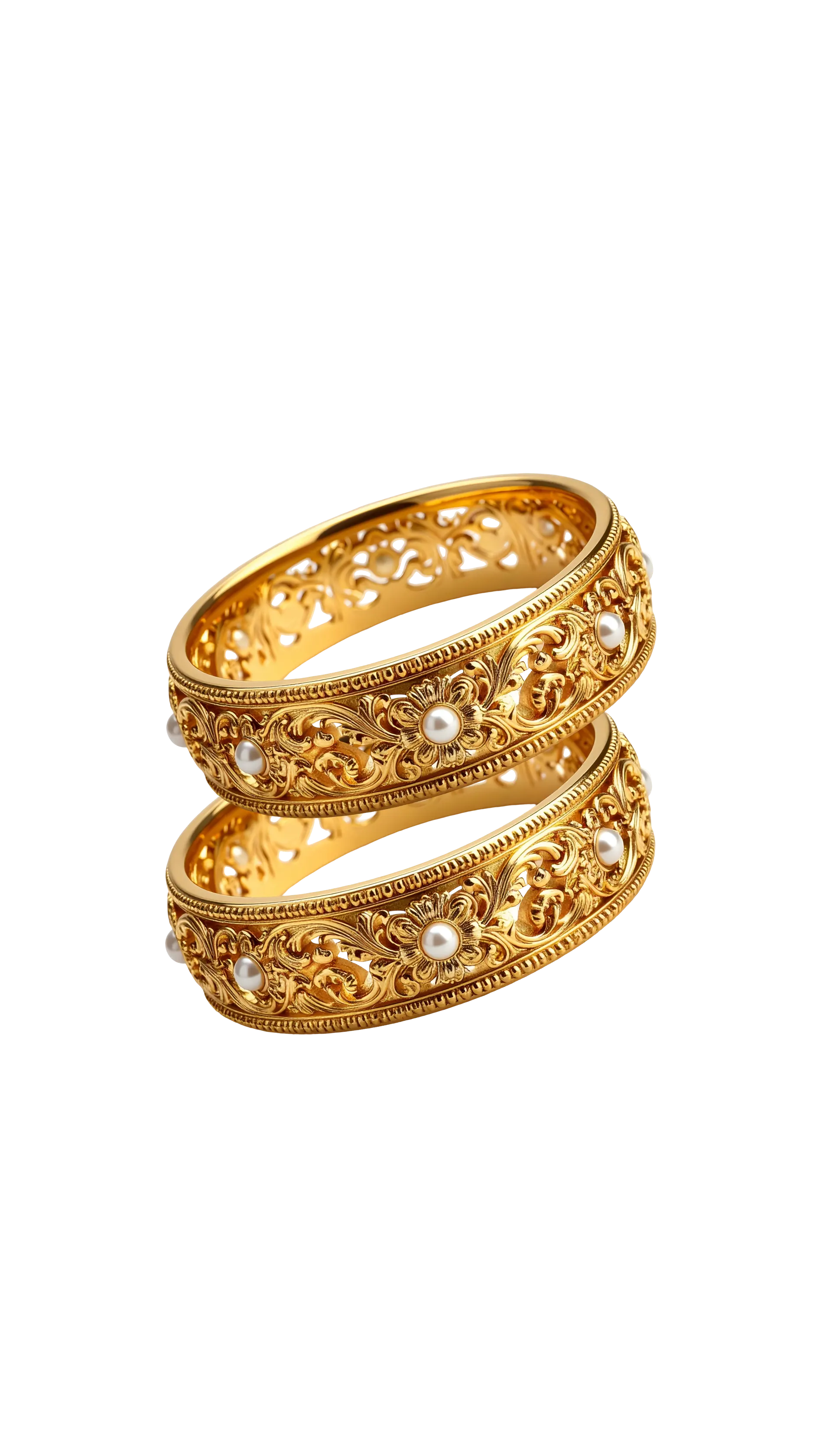
24K vs 22K vs 18K Gold in Durgapur — Buying & Resale Differences
24K, 22K and 18K gold differ in one thing that changes everything: purity. 24K is 99.9% pure and best for investment; 22K (91.6%) is the standard for Indian jewellery; 18K (75%) suits studded and lightweight designs. This guide compares all three for Durgapur buyers and sellers — what to buy, how the rates differ, and what each fetches when you sell.
Walk into any gold conversation in Durgapur and you will hear three numbers: 24K, 22K and 18K. They all describe gold, but they are not interchangeable — the difference between them decides what you should buy, what you will pay, and crucially, what you will get back when you sell. Getting this right is one of the most practical pieces of gold knowledge a family can have.
The single idea behind all three is purity — the percentage of actual gold in the metal. The rest is alloy (copper, silver, zinc) added for strength and colour. Karat (K) is simply the unit for that purity, measured out of 24.
What 24K, 22K and 18K Actually Mean
| Purity | Gold content | Hallmark number | Best for |
|---|---|---|---|
| 24K | 99.9% pure | 999 | Coins, bars, investment / bullion |
| 22K | 91.6% pure | 916 | Traditional jewellery — bangles, chains, rings, necklaces |
| 18K | 75.0% pure | 750 | Studded, diamond and lightweight modern designs |
| 14K | 58.5% pure | 585 | Durable everyday and fashion pieces |
The higher the karat, the more pure gold and the softer the metal. That softness is exactly why 24K is not used for everyday jewellery — it dents and bends too easily. Alloying it down to 22K or 18K trades a little purity for the strength a wearable ornament needs.
Read: KDM vs Hallmark vs 916 gold — what's the difference? →
How the Rates Differ in Durgapur
Because the rate follows purity, the three prices sit in fixed proportion to each other. 22K is always about 91.6% of the 24K rate, and 18K about 75%. Here is how that looked in Durgapur in September 2026:
| Karat | Purity | Rate per gram | Per 10 grams |
|---|---|---|---|
| 24K | 99.9% | ₹14,720 | ₹1,47,200 |
| 22K | 91.6% | ₹13,497 | ₹1,34,970 |
| 18K | 75.0% | ₹11,051 | ₹1,10,510 |
These numbers change daily, but the proportion does not. That makes it a quick fairness test when you sell: whatever the day's 24K rate is, your 22K quote should be about 91.6% of it, and 18K about 75%. A quote well below that proportion means you are being underpaid.
Check the live 24K, 22K & 18K gold rate in Durgapur today →
Which Should You Buy?
Buy 24K if you are investing
For pure wealth storage — gold coins, bars, or building a hedge — 24K is the right choice. You are paying for gold and nothing else: no making charges buried in a design, no purity discount. When you eventually sell, 24K fetches the highest per-gram rate.
Buy 22K for traditional jewellery
For bangles, chains, rings and necklaces you will wear and pass down, 22K (916) is the Indian standard. It is pure enough to hold value strongly and hard enough to survive daily wear. The overwhelming majority of gold jewellery sold in Durgapur and West Bengal is 22K.
Buy 18K for studded and modern designs
Diamond jewellery, delicate modern pieces and intricate designs are often made in 18K because the added alloy gives the strength to hold stones securely and support fine detailing. It costs less per gram, but remember its resale value is proportionally lower too.
What Each Fetches on Resale
This is where many people are caught out. When you sell, you are paid for the gold content only — so purity directly sets your resale value:
- 24K holds value best per gram because it is nearly all gold — ideal for investment.
- 22K resells strongly and predictably at about 91.6% of the 24K rate.
- 18K resells at about 75% of the 24K rate — lower, because a quarter of it is not gold.
- Making charges and GST paid when buying are never recovered on resale, regardless of karat — you are refunded for metal, not craftsmanship.
If your goal is to store wealth and sell later, 24K gives the cleanest value. If you want jewellery to wear that also holds value, 22K is the sweet spot. Choose 18K when the design (especially studded pieces) genuinely needs it — just go in knowing its resale is proportionally lower.
Read: Why the price you paid for jewellery differs from its resale value →
How to Verify Purity Before You Sell
Since purity decides your payout, confirm it rather than assume it. The fastest check is the BIS hallmark number stamped on the piece (999, 916, 750). For an exact reading — especially on old or non-hallmarked gold — certified XRF testing measures the true purity in seconds without damaging the item.
At Auriksha, every piece is XRF-tested on screen before valuation, and paid at the live rate for its measured purity. So whether your gold is 24K, 22K or 18K, you receive exactly what it is worth. Call +91-9641827001 or visit our Durgapur centre for a free valuation.
Read: How to check gold purity at home in Durgapur →
Read: How the gold rate in Durgapur is set (MCX to your payout) →